The Sailor’s Calendar: The Best Time of Year to Sail Macaronesia
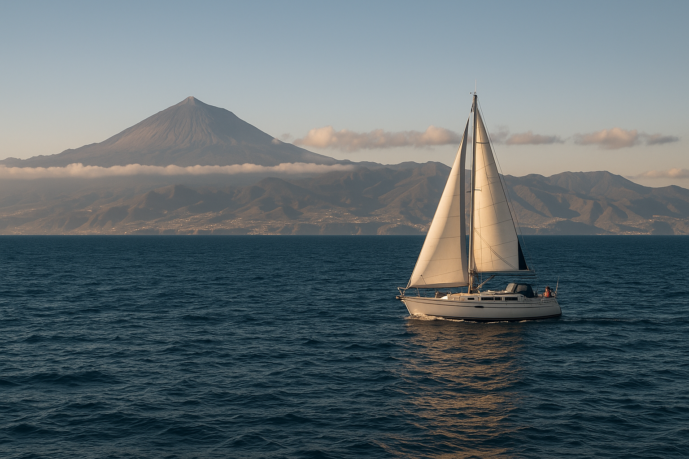
Understanding Macaronesia: A Sailor’s Paradise
What is Macaronesia? A Quick Geography Lesson
Often referred to as the “Fortunate Isles,” Macaronesia is a collection of four distinct volcanic archipelagos scattered across the North Atlantic Ocean. These island groups, while politically separate, share a common geological origin and a deep-rooted maritime heritage. For sailors, they form a natural, stepped pathway across the vast expanse of the Atlantic. The four key archipelagos are:
- The Azores: An autonomous region of Portugal, known for its lush green landscapes, crater lakes, and rich cetacean life.
- Madeira: A rugged, mountainous Portuguese archipelago famous for its levada walks, fortified wine, and dramatic coastlines.
- The Canary Islands: A vibrant autonomous community of Spain, offering a diverse micro-continent of desert dunes, pine forests, and bustling towns.
- Cape Verde: An independent African island nation with a unique Creole culture, stark volcanic scenery, and famously consistent trade winds.
Each island is the peak of a massive underwater volcano, creating the dramatic cliffs, fertile soils, and unique ecosystems that define the region. Their strategic location off the coasts of Europe and Africa has made them essential waypoints for mariners for centuries, from the age of exploration to today’s transatlantic cruisers.
[A simple map graphic highlighting the four island groups in the North Atlantic Ocean would be highly effective here.]
The Unique Appeal for Sailors
Macaronesia holds a special place in the hearts of sailors, and for good reason. The region is defined by the legendary Northeast Trade Winds, a consistent and reliable band of wind that acts as a natural engine, propelling vessels southward in a comfortable and predictable manner. These are the same winds that powered the great explorers and have become the backbone of the modern “milk run” to the Caribbean.
Beyond the favorable winds, the true magic of sailing here lies in the island-hopping adventures. A relatively short passage can transport you to an entirely new world. You can sail from the European sophistication of Madeira to the Spanish-influenced Canary Islands, and then on to the vibrant Afro-Portuguese culture of Cape Verde. Each stop offers a unique landscape to explore, a different cuisine to savour, and a distinct local atmosphere to experience—all within a single, cohesive sailing region.
While often talked about as a single entity, the key to a successful voyage is understanding that Macaronesia is not a monolith. It is a year-round sailing destination, but only if you know where to be and when. The best time for the Azores is often the worst for Cape Verde, and navigating this sailor’s calendar is fundamental to planning a safe and enjoyable journey.
Key Factors for Your Sailing Calendar
Timing is everything when planning a voyage in Macaronesia. The same stretch of water can offer gentle, sun-drenched cruising in one season and a serious challenge for the most seasoned crew in another. Understanding the interplay of wind, weather, crowds, and nature is the first step toward a successful and enjoyable trip. These are the fundamental forces that will shape your journey.
The Wind: Your Greatest Ally and Challenge
In the age of sail, these islands were critical waypoints, and the reason for that is still the dominant feature today: the wind. Harnessing it is key, but you must also respect its regional and seasonal variations.
- The Portuguese Trade Winds: These are the famed Northeasterlies that blow with remarkable consistency, particularly in the southern half of Macaronesia. They are the engine that powers sailors south from Europe towards the Canary Islands and Cape Verde, creating a reliable “downhill” passage for much of the year.
- The Azores High: This large, semi-permanent high-pressure system is the chief weather-maker for the northern archipelagos. During summer, it strengthens and settles over the Azores, blocking Atlantic storm tracks and providing a window of calm, settled weather with light to moderate winds and abundant sunshine. This is the ideal time for cruising the Azores. In winter, the High weakens and moves south, opening the door for low-pressure systems to sweep through.
- Acceleration Zones: The tall, volcanic topography of the islands, especially the Canaries, creates a powerful venturi effect. As the trade winds funnel between islands like Gran Canaria and Tenerife, or Fuerteventura and Gran Canaria, their speed can increase dramatically, often by 15-20 knots more than the forecast wind. These Acceleration Zones create exhilarating but demanding conditions that require prudent sail plans and a reef-ready crew, particularly during the powerful summer months.
Weather and Sea State: Sun, Swells, and Storms
Beyond the wind, the general climate and the mood of the Atlantic Ocean dictate comfort, safety, and daily passage-making decisions. The character of the sea changes profoundly with the seasons.
- Seasonal Temperatures: Macaronesia spans a wide latitudinal range, resulting in distinct climates. The Azores experience mild, temperate summers (22-26°C) and cooler, wetter winters (14-17°C). The Canaries offer a “perpetual spring,” with warm winters (18-22°C) and hot, dry summers (24-28°C). Cape Verde, being the most southerly, is warm to hot year-round, with a distinct dry season (November-June) and a more humid, rainy season (August-October). Sea temperatures follow suit, making a winter swim in the Canaries pleasant while it would be bracing in the Azores.
- Atlantic Swells: In summer, the sea state is generally more settled, dominated by local wind waves. Winter, however, is the season of the great Atlantic swells. Long-period groundswells generated by distant storms in the North Atlantic can arrive even on calm, sunny days, creating powerful surf and potentially uncomfortable or dangerous conditions in anchorages and harbour entrances, particularly those facing north or west. This is a primary consideration for winter sailing in Madeira and the Azores.
- Hurricane Season: The main Atlantic hurricane belt lies well to the west of Macaronesia. However, the Azores can be affected by the tail-end of these systems, typically from late August through October. While direct hits are very rare, these storms can pass through as powerful post-tropical cyclones, bringing gale-force winds and heavy rain. Diligent monitoring of weather forecasts is essential during this period. The Canary Islands and Cape Verde are considered to have a very low risk.
Crowds, Costs, and Marina Availability
Your experience will also be shaped by the other people—both on land and on the water. The peak tourist season and the peak sailing season are not always the same, which creates both opportunities and challenges.
- Peak Seasons: The general tourist high season across all archipelagos is July and August, coinciding with European summer holidays. This means more crowded towns and higher prices for onshore activities. The sailing high season, however, varies. For the Azores, it’s the same summer period. But for the Canaries and Cape Verde, the prime sailing window is autumn and winter, which is a popular but generally less frantic “winter sun” tourist season.
- The ARC Effect: The Canary Islands, particularly Las Palmas in Gran Canaria, are the primary staging ground for transatlantic crossings. The Atlantic Rally for Cruisers (ARC), a massive annual event, departs in November. From September onwards, marinas in Gran Canaria and, to a lesser extent, Tenerife and Lanzarote, become extremely busy and expensive. It is essential to book a berth many months, if not a year, in advance if you plan to be there during this period.
Wildlife Watching from the Deck
Sailing in Macaronesia offers a front-row seat to one of the Atlantic’s most vibrant marine ecosystems. Planning your trip to coincide with natural spectacles can be a highlight of your voyage.
- Whale and Dolphin Migrations: The waters of Macaronesia are a haven for cetaceans. While dolphins are a common sight year-round across all the islands, the Azores are a world-class destination for whale watching. Spring (March to May) is the prime season to witness the passage of giant baleen whales, including blue, fin, and sei whales, on their northbound migration. Resident populations of sperm whales and several dolphin species can be seen throughout the year.
- Seabirds and More: The remote cliffs of the islands provide critical nesting sites for vast colonies of seabirds. The eerie, nocturnal calls of the Cory’s Shearwater are an unforgettable feature of summer nights at anchor. You may also encounter loggerhead turtles, particularly around their nesting sites in Cape Verde, or be joined by schools of flying fish gliding over the waves during a trade-wind passage.
A Seasonal Guide to Sailing Macaronesia
Macaronesia offers sailing opportunities throughout the year, but the ideal experience depends entirely on which archipelago you plan to visit. The character of the winds, seas, and even the islands themselves shifts dramatically with the seasons. Here is a breakdown of what to expect throughout the year to help you align your voyage with the best possible conditions.
Spring (March – May): The Season of Awakening
Spring is a fantastic time for sailing in the central archipelagos. As Europe thaws, Macaronesia comes alive with colour and renewed energy. The trade winds become more reliable, temperatures are pleasantly warm without being oppressive, and the winter swells begin to subside. It’s a period of transition and opportunity.
- Best For: Madeira and the Canary Islands. The weather is near-perfect for cruising, with comfortable temperatures and consistent winds that haven’t yet built to their summer strength. The landscapes, especially on Madeira, are in full bloom.
- Good For: The Azores. Conditions improve rapidly as spring progresses. While the risk of late winter storms is still present in early March, by May the weather is settling nicely. This is also a prime season for whale watching as migratory species pass through.
- Winding Down: Cape Verde. The powerful trade winds that define its winter sailing season begin to ease. While still sailable, it’s the tail end of the prime window before the heat and humidity of summer set in.
Summer (June – August): The High Season
Summer is a season of contrasts across Macaronesia. While it brings the warmest air and sea temperatures, it also corresponds with peak tourist season on land and presents distinct challenges for sailors in some areas. The dominant weather feature is the stable Azores High, which creates settled weather in the north but can intensify winds further south.
- Best For: The Azores. This is their undisputed prime sailing window. The Azores High typically sits over the archipelago, providing weeks of settled, sunny weather, light to moderate winds, and calm seas. It is the ideal time for leisurely island-hopping between the nine islands.
- Challenging For: The Canary Islands. The stable high-pressure system to the north can significantly accelerate the trade winds as they funnel between the mountainous islands. These acceleration zones can produce very strong, sustained gusts, making for demanding and sometimes uncomfortable sailing conditions.
- Best Avoided: Cape Verde. This period marks the rainy season. Expect higher humidity, calmer and less reliable winds, and occasional tropical rain showers, making it the least attractive time of year for a sailing trip.
Autumn (September – November): The Transatlantic Crossroads
For many seasoned sailors, autumn is the “sweet spot.” The sea has retained its summer warmth, the summer crowds have dispersed, and a palpable excitement fills the air in the southern archipelagos. This is the traditional staging season for yachts preparing to cross the Atlantic.
- Best For: The Canary Islands and Madeira. Conditions are exceptional. The fierce summer winds in the Canaries have moderated, leaving behind perfect trade wind sailing. Marinas, particularly in Las Palmas, buzz with activity as crews provision for ocean passages like the Atlantic Rally for Cruisers (ARC).
- Use Caution: The Azores. While the weather can still be beautiful, this is the peak of the Atlantic hurricane season. Although direct hits are historically rare, the islands can be affected by the remnants of tropical storms, bringing unsettled weather and large swells. Diligent weather monitoring is essential.
- Ramping Up: Cape Verde. By November, the rainy season is over, and the trade winds return with consistency and strength. This marks the beginning of its prime sailing season, offering a fantastic destination for those continuing south from the Canaries.
Winter (December – February): The Winter Sun Escape
Winter in Macaronesia is a tale of two distinct regions. While the northern islands face the full force of Atlantic winter, the southern archipelagos become a sailor’s haven, offering a perfect escape from the cold and grey of Europe.
- Best For: The Canary Islands and Cape Verde. This is their high season for sailing. Both destinations offer reliable trade winds, abundant sunshine, and warm temperatures. It’s the ideal time to flee the European winter for sun-drenched downwind sailing and vibrant island exploration.
- Challenging For: The Azores and Madeira. This is the off-season here. The region is exposed to a series of low-pressure systems and winter gales rolling across the North Atlantic. Sailors can expect strong winds, large ocean swells, and frequent rainfall. These conditions are suitable only for highly experienced, well-prepared crews on robust vessels.
At a Glance: The Best Time to Sail Each Archipelago
While sailing is possible in parts of Macaronesia year-round, each archipelago has a distinct prime season. For a quick reference, here are the optimal windows for visiting each island group to ensure the best possible conditions for your voyage.
The Azores: Late June to Early September
Why: This is the heart of the Azorean summer, a period dictated by the stable influence of the Azores High-pressure system. This weather pattern brings settled, sunny conditions with lighter winds and calmer seas, creating the perfect, safe window for exploring the nine islands and enjoying their stunning anchorages without the stress of Atlantic low-pressure systems.
Madeira: April to October
Why: This broad window offers the most favourable balance of conditions. You’ll find pleasant temperatures, reliable northeasterly winds that aren’t overpowering, and long, sunny days. Sailing during this period allows you to comfortably explore Madeira, Porto Santo, and the Desertas Islands while safely avoiding the strong gales and large swells that can characterize the winter months.
The Canary Islands: September to February
Why: This is the sailor’s sweet spot for the Canaries. By arriving in autumn, you miss the ferociously strong summer acceleration zone winds and the largest tourist crowds. Instead, you are greeted with warm “winter sun,” pleasant sailing conditions, and open marinas. This period is also the traditional staging season for transatlantic crossings, filling the harbours with an exciting, international buzz.
Cape Verde: November to March
Why: This is unequivocally the high season for sailing in Cape Verde. It aligns perfectly with the dry season, guaranteeing day after day of deep blue skies and warm sunshine. Most importantly, the Northeast Trade Winds are at their most consistent and robust, providing fantastic downwind sailing between the islands. The vibrant local culture is in full swing, offering a perfect escape from the Northern Hemisphere’s winter.
Sailing Off-Season: Risks vs. Rewards
While our seasonal guide points to the most comfortable and reliable windows for sailing, every archipelago has a rhythm outside of its peak season. For the well-prepared and adventurous sailor, venturing out during these “off-seasons” can offer a uniquely rewarding experience. However, it requires a clear understanding of the trade-offs. Here, we weigh the potential risks against the distinct rewards.
The Risks: What to Prepare For
Going against the grain means being prepared for conditions that most cruisers actively avoid. This isn’t about being reckless; it’s about being highly skilled, exceptionally well-equipped, and diligent with your weather forecasting. The challenges are real and vary significantly by region.
- Winter low-pressure systems and gales in the Azores and Madeira. From November through March, the northern archipelagos are fully exposed to the North Atlantic’s winter temperament. This means frequent and powerful low-pressure systems, the potential for gale-force winds, and large, often confused seas. Passages become a serious undertaking, and marina stays can be dictated by long periods of severe weather. This is the domain of highly experienced crews with robust, ocean-ready vessels.
- The (low but real) risk of tropical storms in the Azores. In late summer and early autumn (primarily September and October), the Azores lie in the potential path of late-season hurricanes or developing subtropical storms. While a direct hit is rare, the effects can bring destructive winds and dangerous sea states. Any sailing in this region during this period demands constant and careful monitoring of long-range weather forecasts.
- Strong summer wind gusts in the Canaries. The cruising “off-season” in the Canaries (June to August) isn’t due to a lack of wind, but an excess of it. The Northeast Trade Winds, amplified by the Azores High, can be ferocious. The infamous acceleration zones between the tall volcanic islands can see wind speeds jump to Force 8 or 9 with little warning. This requires conservative sail plans, deep reefs, and a crew comfortable with heavy-weather sailing.
- Calms and humidity during the Cape Verdean summer. The challenge in Cape Verde from roughly May to October is the opposite. The trade winds fade, replaced by the humid, rainy, and often windless conditions of the Intertropical Convergence Zone. Sailors can face long, frustrating periods of motoring in sweltering heat, making passages slow and uncomfortable.
The Rewards: Why You Might Go Anyway
If you have the skills and equipment to mitigate the risks, the off-season can unlock a different, perhaps more authentic, side of Macaronesia. The archipelagos feel less like a tourist destination and more like the wild Atlantic islands they are.
- Significantly fewer boats and more marina availability. This is perhaps the greatest reward. You’ll find peaceful anchorages that are packed in high season and enjoy your pick of berths in marinas. The frantic rush for space seen in Las Palmas before the ARC is non-existent, creating a more relaxed and spacious environment.
- Lower costs for charters and moorings. With lower demand comes better value. Charter companies often offer significant discounts, and marinas may have reduced off-season rates for mooring. This can make an extended trip more financially viable and allow your budget to stretch further.
- The appeal of a more rugged and challenging sailing adventure. For some sailors, the journey is as important as the destination. Successfully navigating a winter passage to Madeira or handling the strong summer gusts in the Canaries is a profound test of skill and a source of immense satisfaction. It’s a chance to experience the raw power of the Atlantic and rely on pure seamanship, far from the high-season crowds.
Practical Planning for Your Macaronesia Voyage
Success in Macaronesia isn’t just about picking a season; it’s about matching your route and preparation to the conditions you’ll encounter. A well-thought-out plan transforms a potentially challenging trip into a deeply rewarding one. Here’s how to approach your voyage with the foresight of a seasoned mariner.
Route Planning by Season
The Atlantic’s rhythms dictate the most logical and comfortable sailing routes. Rather than fighting the elements, the most successful voyages work in harmony with the prevailing winds and currents. Your chosen season will largely define your itinerary.
The “Classic” Route (Autumn/Winter)
This is the quintessential sailor’s migration path, a southerly journey on the back of the trade winds. Typically starting in late autumn, crews depart from Portugal or the Mediterranean, making a first stop in Madeira. From there, it’s a straightforward downwind leg to the Canary Islands, which serve as the primary staging ground for transatlantic crossings. Many will continue further south to Cape Verde to catch the most robust and reliable trades for a journey to the Caribbean or South America. This route is popular for a reason: it’s a logical, comfortable, and historically significant passage that takes full advantage of nature’s engine.
The “Azores Summer” Route
If a transatlantic crossing isn’t on your agenda, the Azores offer a world-class cruising ground in themselves. During the summer months, the stable Azores High pressure system provides a window of settled, sunny weather perfect for exploring this diverse nine-island archipelago. Passages between the central, eastern, and western island groups are manageable, and each island offers a unique landscape and culture. This route is about deep exploration rather than long-distance passage-making, focusing on enjoying the destination at its absolute best.
The “Uphill” Return (Spring)
What goes downwind must eventually come upwind. The return journey north from the Canaries or Azores back to Europe is a more challenging undertaking that requires careful planning. Known colloquially as “beating the trades,” this route is best attempted in the spring when the Azores High is not yet fully established and weather windows with favourable winds are more common. Sailors often have to motor-sail or make long tacks, seeking the variable winds on the edges of pressure systems. Patience is key, as is a well-maintained vessel and a crew prepared for a more rugged passage.
Essential Gear and Preparation
The open Atlantic demands respect and thorough preparation. While Macaronesia offers idyllic conditions, the sea is powerful and the weather can change. Arriving with the right equipment is not just a matter of comfort, but of safety and self-sufficiency.
- Foul weather gear: This is non-negotiable, even if you’re sailing in winter to the “Islands of Eternal Spring.” An Atlantic swell can send cool spray across the deck on the sunniest of days, and offshore night watches can be chilly. For passages to the Azores or any winter sailing in the northern archipelagos, high-quality, fully waterproof gear is essential.
- Reliable downwind sails: Sailing for days or weeks on end with the wind behind you can put significant strain on your sails. While a poled-out genoa works, a dedicated downwind sail like a gennaker or spinnaker makes the journey faster, more stable, and reduces chafe on your primary sails. A cruising chute is often the perfect tool for the job.
- Watermakers and solar panels: For any sailor planning to spend extended time island-hopping, especially in more remote anchorages in the Azores or Cape Verde, self-sufficiency is freedom. A watermaker eliminates the need to constantly search for marina facilities, while a robust solar power setup can handle your electrical needs without relying on the engine.
- Access to up-to-date weather forecasts: Your most critical piece of safety equipment is information. Relying on coastal forecasts is insufficient. You need a way to download up-to-date GRIB files and detailed forecasts while offshore. This typically means having a satellite phone, an SSB radio with a PACTOR modem, or another form of satellite communication device. This allows you to see weather systems developing and route around them accordingly.