Os ritmos das Caraíbas: os melhores locais de navegação para música, cultura e rum
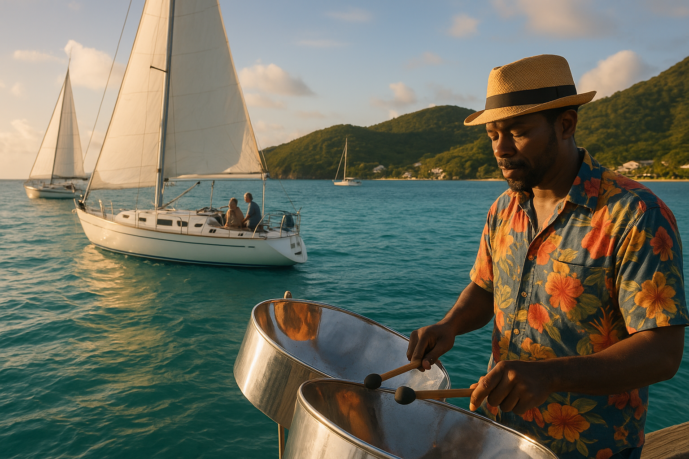
Beyond the Anchorages: Sailing into the Heart of the Caribbean
A Symphony of Senses
To sail the Caribbean is to navigate through a living history book, where every island breeze carries a story. The region is a vibrant tapestry woven from the threads of countless cultures—the enduring rhythms of Africa, the colonial architecture of Europe, and the deep-rooted traditions of Indigenous peoples. This fusion is not a relic of the past; it’s a dynamic, evolving force that shapes every aspect of daily life. It’s in the syncopated beat of a drum, the complex spices of a local dish, and the rich, amber hue of aged rum.
Here, music, food, and rum are more than simple pastimes; they are the primary languages through which history is told and identity is celebrated. The lament of a reggae bassline speaks of struggle and liberation. The “terroir” of a rhum agricole tells a story of soil and sugarcane. A shared meal at a local market is an act of community. This guide is crafted for the sailor who seeks to understand this deeper narrative, to venture beyond the pristine beaches and secluded coves and connect with the true soul of the islands.
Planning Your Rhythmic Route
A culturally-focused sailing trip requires a different mindset than a typical island-hopping adventure. The goal isn’t to cover the most nautical miles or check off the most popular anchorages. Instead, it’s about slowing down, lingering, and allowing the culture on shore to guide your journey. The true destinations are not points on a chart, but experiences: a visit to a bustling local market, an evening spent in a small music venue, or a tour of a centuries-old rum distillery.
Success lies in prioritizing genuine interaction and maintaining a flexible itinerary. The most memorable moments are often unscripted. You might hear about a neighborhood street party from a local vendor, get a recommendation for an incredible musician playing in a village bar, or simply decide to stay an extra day to soak in the atmosphere. To truly experience the rhythms of the Caribbean, you must be willing to follow them, even when it means changing your plans. Let the music, not just the wind, fill your sails.
Jamaica: The Heartbeat of Reggae and Pot Still Rum
Sailing into the Vibe
Dropping anchor in Jamaica is to moor your vessel at the very source of a global cultural current. The anchorages around Port Royal, once the infamous haunt of pirates, now serve as a historic gateway to the vibrant chaos of Kingston. Here, the sailing experience is one of profound contrasts. You can spend a morning in the serene, turquoise waters of a secluded cove, listening to the gentle lapping of waves against the hull, only to venture ashore into a city that pulses with an undeniable, infectious rhythm. This proximity of tranquility and intensity is the essence of the Jamaican sailing experience; it’s a constant dialogue between the calm of the sea and the soulful energy of the land.
The Sonic Landscape: From Dub to Dancehall
In Jamaica, music is not background noise; it is the island’s narrative. A journey into its heart often begins with a pilgrimage to the Bob Marley Museum in Kingston, the former home and recording studio of the reggae king. It’s a place of reverence, offering a tangible connection to the man whose music carried the message of a small island to the entire world. But to truly understand Jamaican music, you must experience its living, breathing form: the sound system.
Imagine turning a corner on a Kingston street at night and being met with a wall of sound so powerful you feel it in your chest. This is a sound system clash. Towering, custom-built speaker stacks, often painted in vibrant colors, form an urban shrine to the bassline. The air is thick with the smell of jerk chicken and the electric energy of the crowd. Two rival crews, led by their selectors and deejays, battle for sonic supremacy, unleashing exclusive “dubplate” specials—custom recordings from famous artists praising their sound system. The selector doesn’t just play records; he conducts the crowd, dropping a track at the perfect moment to elicit a roar of approval, punctuated by air horns and lighters held aloft. It is a raw, competitive, and utterly immersive spectacle of community and sound.
Beyond these epic street parties, the island’s musical soul thrives in small, unpretentious clubs far from the tourist zones. Ask a local, follow the thumping bass, and you’ll find venues where live reggae bands channel the classic roots sound, or where DJs spin the latest dancehall tracks for a crowd that knows every word and every dance move.
A Taste of History: Jamaica’s “Funky” Rum
Jamaican rum is as bold and distinctive as its music. The island is renowned for its traditional high-ester, pot-still rums—a style affectionately described as “funky.” This unique, intensely aromatic profile, rich with notes of tropical fruit, molasses, and a signature earthiness, is the result of long fermentation times and the time-honored pot distillation method. It is a flavor that is unapologetically complex and deeply historic.
To understand this tradition, a distillery visit is essential, and Jamaica offers experiences for every type of enthusiast:
- Appleton Estate: Nestled in the Nassau Valley, Appleton offers a polished and comprehensive tour. It’s an excellent introduction to the history and process of Jamaican rum, taking you from the sugarcane fields to the tasting room in a beautifully curated experience.
- Hampden Estate: For the dedicated rum aficionado, a visit to Hampden is a pilgrimage. This is not a manicured tourist attraction but a raw, working distillery that has been using the same wild fermentation and pot-still methods for centuries. The tour is an unfiltered look into the production of some of the world’s most high-ester, flavorful rums.
Yet, the most authentic rum experience may be found in the humble local rum shop. These establishments are the social heart of every Jamaican community. Here, politics are debated, dominoes are slammed, and stories are shared over a bottle of Wray & Nephew White Overproof Rum. This iconic, fiery spirit is a cultural institution, the unofficial national drink that fuels celebrations and daily life alike. To share a “Wray and Ting” in a local rum shop is to taste the true spirit of Jamaica.
Cuba: Where Son Montuno and Classic Rhythms Echo
A Voyage Back in Time
Sailing to Cuba is unlike any other Caribbean passage; it’s a journey that feels like a shift in time. As you approach the southern coast, destinations like Cienfuegos, with its French-influenced boulevards, or the perfectly preserved colonial town of Trinidad, offer secure anchorages that serve as portals to another era. Dropping anchor here is a profound experience. The view from your deck is not of modern resorts, but of pastel-hued colonial facades, cobblestone streets, and the unmistakable silhouettes of 1950s American classic cars gliding by. It is a living museum, where the passage of time has been uniquely preserved, and every street corner holds a story waiting to be discovered.
The Soul of Cuban Music
In Cuba, music is not background noise; it is the island’s very pulse, an omnipresent force that pours from open doorways, sun-drenched plazas, and dedicated music halls. An essential pilgrimage for any visitor is to a Casa de la Trova. In these government-sponsored houses of music, you’ll find seasoned musicians playing traditional Son Cubano—the very root of modern salsa—with an authenticity that is deeply moving. The energy is just as palpable on the streets of Old Havana or Trinidad, where talented trios and quartets gather impromptu crowds, their infectious rhythms compelling you to stop and listen.
Here, music and dance are inseparable. This is not a spectator sport but a deeply participatory and social activity. When the clave rhythm starts, feet begin to move. You won’t find audiences passively watching; you’ll see couples spontaneously taking to the floor for a salsa, or a crowd gathering for an impromptu rumba. To truly experience it, seek out local spots away from the main tourist squares, follow the sound of the drums, and don’t be afraid to join in. In Cuba, an invitation to dance is an invitation into the culture itself.
The Legacy of Light Rum
While Jamaica champions its potent, funky rums, Cuba is the master of a different style: the light, crisp, and exceptionally smooth rum that has become the foundation for some of the world’s most famous cocktails. This profile—clean, with notes of vanilla, citrus, and light spice—is a direct result of a distillation and aging process perfected over generations. To understand this history, a visit to a museum like the Havana Club Museo del Ron in Havana offers a fascinating look at the journey from sugarcane to aged spirit.
But the true education happens in the glass. The ultimate Cuban ritual is to experience the cocktails in their birthplace. Ordering a Mojito in a historic Havana bar, watching the bartender muddle fresh mint with precision, or sipping a perfectly balanced Daiquiri at El Floridita, is more than just having a drink. It’s an appreciation of a cultural legacy, a taste of history served chilled and with an effortless elegance that is purely Cuban.
Martinique: The Creole Charm of Zouk and Rhum Agricole
Sailing to Martinique is to drop anchor in a corner of France that has been seasoned by the Caribbean sun and the complexities of Creole culture. Known as the “Isle of Flowers,” its lush volcanic peaks slope down to deep, protected bays and charming fishing villages. Here, the French language flows with a Caribbean lilt, and the cultural rhythms are as distinct as the island’s signature spirit, Rhum Agricole.
Anchoring in the “Isle of Flowers”
Your point of arrival will likely shape your experience of Martinique’s dual personality. The island offers anchorages that cater to both the practical needs of the sailor and the desires of the cultural explorer.
- Le Marin: On the south coast, Baie du Marin is home to the Caribbean’s premier yachting hub. Its vast, well-protected harbor and world-class marina facilities make it an ideal and practical base. While busy, it provides unparalleled access to provisions and services, serving as a perfect launchpad for venturing into the island’s mountainous, distillery-dotted interior.
- Anse d’Arlet: For a more intimate introduction to island life, the series of coves known as Les Anses-d’Arlet on the southwestern coast are essential. Anchoring off the main village, with its iconic church steeple set against the beach, allows you to step directly into the rhythm of daily life. Watch fishermen mend their nets, enjoy a simple meal at a waterfront café, and absorb the unhurried pace of a community tied to the sea.
Dancing to Zouk and Biguine
The soundtrack of Martinique is a captivating fusion of European, African, and Caribbean influences. The island’s signature genres, Zouk and Biguine, are not just music; they are expressions of its unique identity. Zouk, which exploded onto the world scene in the 1980s with the band Kassav’, is a fast-paced, joyous music designed for dancing close. Biguine is its older, more traditional cousin, a syncopated style that blends French ballroom dance with African polyrhythms.
To experience this music authentically, venture beyond the resort shows. Seek out local dance halls, known simply as “dancings,” on a weekend night. Here, you’ll find Martinicans of all ages dancing with a practiced grace and infectious passion. Keep an eye on local calendars for village festivals and cultural events, which invariably feature live bands that bring the entire community to its feet.
The Terroir of Rhum Agricole
To understand Martinique is to understand its rum. The island is the world capital of Rhum Agricole, a spirit so distinctive it is protected by its own “Appellation d’Origine Contrôlée” (AOC), a designation similar to that for French wines and cheeses.
The key difference lies in the raw material. Unlike the vast majority of rums, which are distilled from molasses (a byproduct of sugar refining), Rhum Agricole is made by fermenting and distilling fresh-pressed sugarcane juice. This method preserves the natural, raw character of the sugarcane, resulting in a spirit with a vibrant, grassy, and earthy flavor profile that speaks directly of the soil and climate—the very definition of terroir.
Exploring the “Route des Rhums” is a pilgrimage for any spirit enthusiast. While there are many distilleries to visit, a couple offer particularly compelling experiences:
- Habitation Clément: This is far more than a distillery; it is a complete cultural destination. The visit includes a tour of the historic Creole plantation house, a walk through extensive botanical gardens dotted with contemporary sculptures, and, of course, a tasting of their world-renowned rhums. It is a polished, beautiful introduction to the world of Agricole.
- Distillerie Depaz: Set dramatically on the flanks of the active volcano Mount Pelée, this distillery has a story of destruction and rebirth. The original estate was completely destroyed in the catastrophic eruption of 1902. Rebuilt on the same volcanic soil, Depaz produces a rhum that many believe carries the unique mineral character of its dramatic terroir. The stunning views and poignant history make for a powerful visit.
Barbados: The Birthplace of Rum and the Spirit of Calypso
Dropping Anchor in Carlisle Bay
As you sail into Carlisle Bay, the brilliant turquoise water and expansive white-sand beach provide a stunning welcome. This natural harbor offers a perfectly sheltered anchorage with the unique advantage of being on the doorstep of Bridgetown, the nation’s capital. Dropping your hook here means you are not just in a beautiful bay, but at the entrance to a UNESCO World Heritage site. The convenience is unparalleled; from your vessel, you have direct access to the historic heart of Barbados, where colonial architecture stands beside bustling modern life, making it the ideal basecamp for a deep cultural dive.
The Social Commentary of Calypso and Soca
The musical pulse of Barbados is a story of evolution. It begins with Calypso, a genre born from the wit and resilience of the island’s people. Historically, Calypsonians were the town criers and social commentators, using clever rhymes and infectious melodies to spread news, critique politics, and share stories of daily life. This tradition of lyrical storytelling remains a vital part of the island’s identity.
From these roots sprung Soca, a high-energy fusion that blends Calypso’s soul with faster, driving rhythms designed for celebration and dance. Soca is the undeniable soundtrack to modern Bajan life, a genre of pure, unadulterated joy that fuels the island’s biggest festivities. To truly understand Barbados, you must experience these sounds in their natural habitat.
Oistins’ Friday Night Fish Fry
This is not a tourist trap; it is a cherished weekly institution. Every Friday, the small fishing village of Oistins transforms into a massive open-air party. The air fills with the savory smoke of fresh-caught marlin, tuna, and flying fish sizzling on the grill. Locals and visitors mingle at communal picnic tables, while a sound system pumps out a mix of classic calypso, modern soca, and reggae. It’s a perfect storm of incredible food, irresistible music, and authentic Bajan community spirit.
The Crop Over Festival
If you can time your voyage for the summer, the Crop Over Festival is the ultimate cultural immersion. This centuries-old tradition, which once marked the end of the sugarcane harvest, has evolved into the island’s biggest national celebration. The festival season spans several weeks, filled with soca competitions, craft markets, and cultural showcases, culminating in the Grand Kadooment Day parade. This final explosion of color, music, and dance sees thousands parade through the streets in elaborate feathered costumes, moving as one to the relentless beat of soca.
Exploring the World’s Oldest Rum
To sail to Barbados is to make a pilgrimage to the very origin of rum. Long before the spirit was refined and marketed globally, this island was its cradle, where the potent distillate of sugarcane molasses was first dubbed “rumbullion.” Exploring Bajan rum is not just about tasting; it’s about connecting with a history that has shaped the entire Caribbean.
Mount Gay Distilleries
A visit to Mount Gay is a journey back in time. With a deed dating back to 1703, it is widely recognized as the world’s oldest documented commercial rum producer. A tour here is a polished and fascinating look into the craft, detailing the process from molasses to aging and blending. It offers a clear understanding of the heritage and quality that define the Bajan rum style, known for its balanced and refined character.
The Bajan Rum Shop
While the distilleries tell the story of production, the island’s rum shops tell the story of its culture. With over 1,500 scattered across the island—one on nearly every corner—the rum shop is the true social heart of every Bajan village. It is far more than a bar; it’s a community center, a debate hall, a grocery stop, and a place where life unfolds. Step inside, order a flask of rum with a bowl of ice and a mixer, and join a game of dominoes. This is where you will find the authentic spirit of Barbados.
Charting Your Cultural Voyage: Tips for the Rhythmic Sailor
A successful cultural sailing trip is a blend of thoughtful planning and spontaneous discovery. While the wind and weather will always dictate your passage, a little foresight on land can transform your journey from a simple island-hop into a deep, resonant experience. These tips will help you navigate the rich cultural currents of the Caribbean with grace and insight.
Timing is Everything: Sailing with the Calendar
The Caribbean’s cultural pulse beats strongest during its festivals. Aligning your voyage with one of these major events offers an unparalleled immersion into the island’s soul. While hurricane season (typically June to November) requires careful monitoring of weather, it often coincides with some of the most vibrant cultural celebrations. Planning your anchorages around these dates can be the highlight of your entire trip.
Consider charting a course that includes one of these iconic annual gatherings:
- Trinidad & Tobago Carnival (February/March): The most explosive and elaborate carnival in the Caribbean, a spectacular display of music, costume, and unbridled energy. It’s an experience that requires advance planning for moorings or marina slips.
- St. Lucia Jazz & Arts Festival (May): A world-renowned event that attracts international jazz legends alongside celebrated local musicians, set against the stunning backdrop of the Pitons.
- Barbados Crop Over (July/August): What began as a celebration of the end of the sugarcane harvest has evolved into a months-long festival of soca music, parties, and parades, culminating in the spectacular Grand Kadooment Day.
- Jamaica Reggae Sumfest (July): Held in Montego Bay, this is the island’s premier reggae festival, showcasing the biggest names in reggae and dancehall over several nights of electrifying performances.
Beyond these major events, remember to check local tourism boards and community calendars online. You might discover a village fish fry, a small-town music festival, or a local sailing regatta that offers a more intimate and equally memorable cultural encounter.
Respectful Immersion: Connect, Don’t Just Observe
The most profound travel experiences come from genuine connection. Moving beyond the role of a passive observer and engaging with the local community not only enriches your journey but also shows respect for the culture you’ve come to admire. The first step is to direct your spending toward the local economy. Choose family-run restaurants over international chains, buy produce from the farmer at the market, and purchase crafts directly from the artisans who made them.
Simple etiquette goes a long way. Always ask for permission before taking a photo of someone; a smile and a gesture are often all it takes. Learning a few basic phrases in the local dialect—be it Patois in Jamaica or Creole in Martinique—is a sign of respect that is always appreciated and can open doors to warmer interactions. For a deeper understanding of a place’s history, music, or ecology, consider hiring a local guide for a land-based excursion. Their personal stories and insider knowledge can reveal hidden gems and provide context that you would never find in a guidebook.
Stocking the Galley for a Taste of the Islands
Provisioning your vessel in the Caribbean is not a chore; it’s a culinary adventure. Make the local market your first stop in any new anchorage. Here, you’ll find an abundance of fresh, tropical fruits, ground provisions like yams and dasheen, fragrant herbs, and fiery scotch bonnet peppers. Engaging with vendors is a chance to learn what’s in season and how to prepare local specialties.
Let your discoveries on shore inspire your meals at sea. After a tour of a rum distillery, the ultimate souvenir is a bottle of its finest product. Use it to create a signature “boat cocktail” that will forever remind you of that specific island. Keep your provisioning list flexible. If you stumble upon a fisherman selling fresh-caught mahi-mahi on the dock or a baker selling warm coconut bread from a roadside stall, embrace the opportunity. Stocking your galley with the authentic tastes of the islands makes every meal aboard a continuation of your cultural voyage.